

Actinic Keratosis clinical trials
What Is Actinic Keratosis?
Actinic keratosis (AK), also known as solar keratosis, is a common precancerous skin condition caused by years of sun exposure. It typically appears as small, rough, scaly patches on skin that's seen a lot of sun over time, most often the face, scalp, ears, and hands. These patches can be pink, red, or skin-colored, and while many stay small, some can thicken or grow if left untreated. Left unaddressed, a small percentage of AK lesions can progress into squamous cell carcinoma, a type of skin cancer, which is why early detection and treatment matter.
Current treatment options for actinic keratosis include topical medications, cryotherapy, and light-based therapies, but not everyone responds the same way, and lesions can return even after treatment. Actinic Keratosis clinical trials are exploring new treatment approaches that may help clear existing lesions and reduce the chance of recurrence for people who haven't found lasting results with the options already available.
Enroll Now!
STUDY
Investigating a Potential New Treatment Approach for Actinic Keratosis
This study is one of several clinical trials for Actinic Keratosis currently evaluating a light-based treatment approach in adults with mild to moderate AK lesions on the face or scalp. The main goal is to find out how well the treatment clears lesions, how safe it is, and how well participants tolerate it. Researchers will closely track lesion counts, monitor skin response, and record any side effects throughout the study. Participants are randomized into treatment groups based on the type of application and light exposure timing, with a photosensitizing solution applied to the treatment area followed by a light therapy session. Depending on how lesions respond, participants may return for a second light therapy session, with study visits scheduled locally for this actinic keratosis research study in Colorado.
Taking part in Actinic Keratosis clinical trials gives patients access to an investigational treatment, frequent check-ins with a dedicated study team, and close monitoring of their skin throughout the process. It's also a way to contribute to research that could shape future treatment options for people managing AK.
Age
18 to 85 Years
Location:
Colorado
Status:
Recruiting
Condition
Actinic Keratosis (Mild to Moderate)
What to Expect in Actinic Keratosis Clinical Trials in Colorado
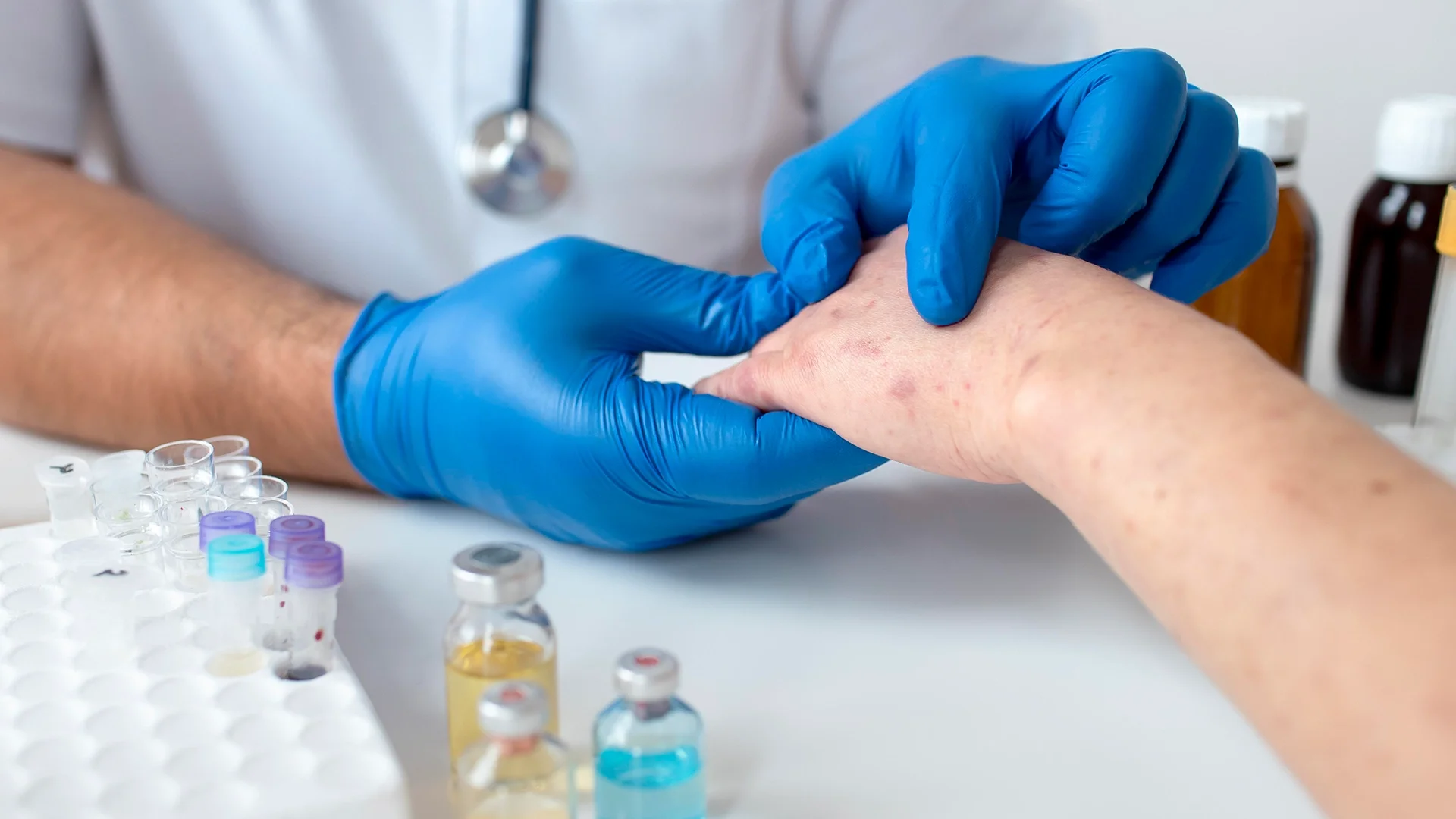
Joining one of PRG's actinic keratosis clinical trials starts with a screening visit to confirm eligibility, including a review of lesion count and location on the face or scalp. Once enrolled, participants are randomly assigned to receive either the active treatment or a vehicle control before undergoing light therapy at the study site. Throughout the study, participants return for follow-up visits where the study team examines the treated area, counts lesions, and reviews any changes or side effects. Participants are encouraged to share how their skin is responding and report anything unusual along the way.
Solar Keratosis clinical trials in Colorado like this one are closely monitored by an experienced research team that prioritizes participant safety at every step. By joining, participants play a direct role in helping researchers evaluate a new option for AK and improve care for people managing sun-damaged skin now and in the future.
Frequently Asked
Questions
-
Adults ages 18 to 85 who have been diagnosed with mild to moderate actinic keratosis on the face or scalp may be eligible for these Actinic Keratosis clinical trials. Final eligibility is confirmed during the screening visit.
-
After screening, eligible participants are randomly assigned to receive either the investigational treatment or a vehicle control, applied to the affected area and followed by a light therapy session. Participants attend follow-up visits for skin exams and lesion counts, with the possibility of a second treatment session depending on how the skin responds.
-
Participants may gain access to an investigational treatment not yet available to the public, receive close monitoring from an experienced medical team at no cost, and may be compensated for their time. Actinic Keratosis clinical trials like this one also help advance research that could lead to better treatment options for people managing sun-damaged skin. Join an actinic keratosis clinical trials in Colorado and get started today.