

Chronic Spontaneous Urticaria Clinical Trials
What Is Chronic Spontaneous Urticaria?
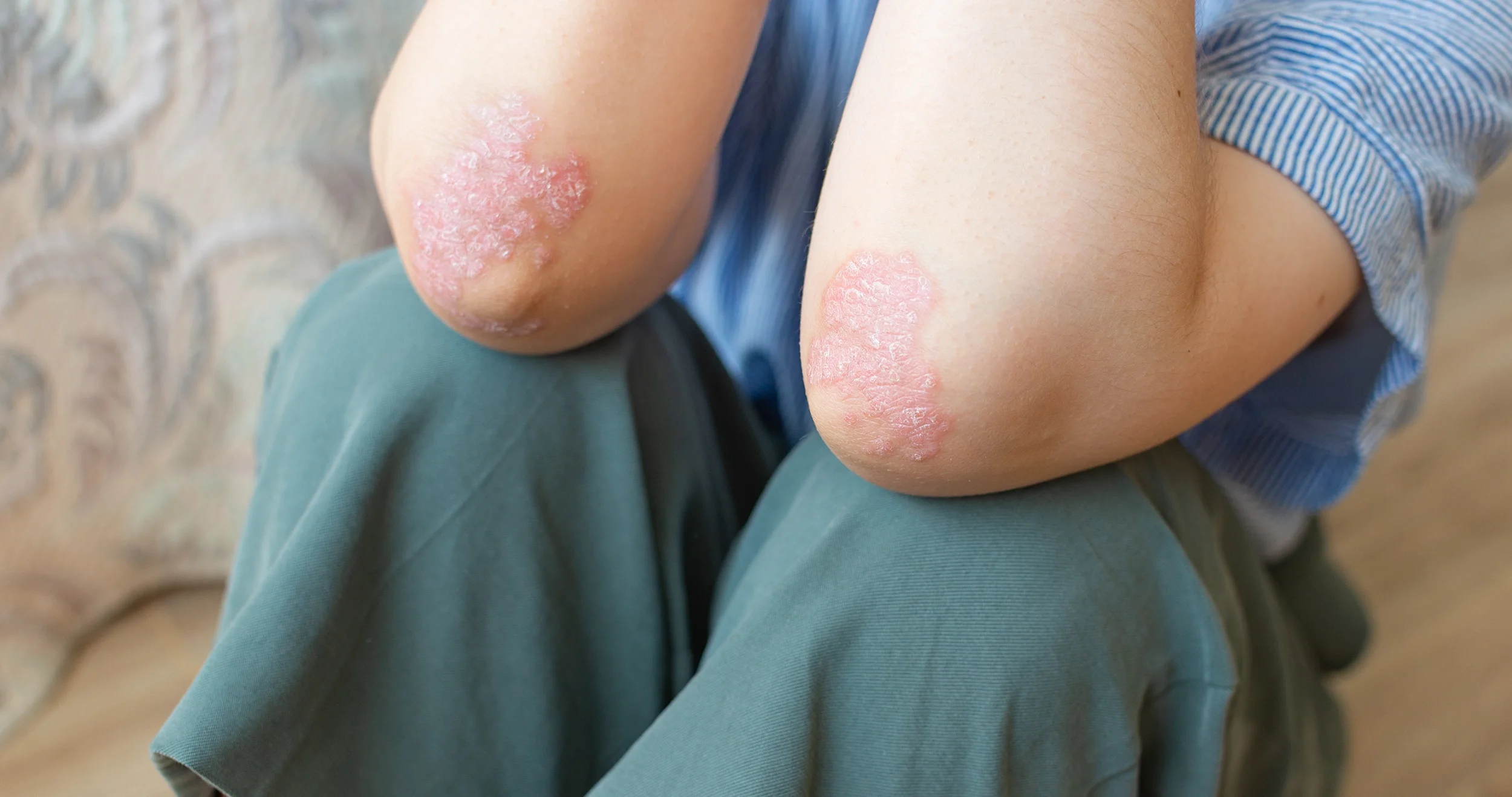
Chronic spontaneous urticaria (CSU) is a persistent skin condition characterized by the sudden appearance of hives, swelling, and itching without an obvious external trigger. The term “spontaneous” reflects the fact that these reactions occur unpredictably and are not caused by known allergens or environmental factors. Symptoms can last for six weeks or longer, significantly affecting daily life, sleep, and overall well-being.
While CSU is chronic and can flare unpredictably, early diagnosis and proper management can help control symptoms and improve quality of life. Chronic spontaneous urticaria clinical trials are exploring new treatment options to help patients manage these spontaneous flare-ups more effectively and safely.

STUDY
Finding a Potential New Chronic Spontaneous Urticaria Treatment Option
This clinical trial is designed to evaluate a study drug in adults with CSU. The primary goal is to assess the efficacy, safety, and tolerability of the investigational treatment over time. Researchers will monitor changes in hives, swelling, itching severity, overall health, and any side effects during the study period.
Participation in this chronic spontaneous urticaria treatment option provides access to investigational therapy and close medical supervision. By taking part in a chronic spontaneous urticaria clinical trial, participants contribute to research that may lead to better treatment options for others living with CSU. This is part of ongoing chronic urticaria clinical trials in Colorado aimed at advancing care for this unpredictable condition.
Age
18 Years and older
Location:
Colorado
Status:
Recruiting
Condition
Chronic Spontaneous Urticaria
What to Expect in a Chronic Spontaneous Urticaria Clinical Trial

In a chronic spontaneous urticaria clinical trial, participants can expect a structured and closely monitored research process. After screening to confirm eligibility, participants may receive the study drug depending on the trial design. Regular clinic visits are scheduled for skin evaluations, symptom assessments, lab tests, and overall health monitoring. Participants report changes in hives, swelling, itch severity, and how they respond to the study drug.
An experienced research team closely monitors safety and well-being throughout the trial. By participating, individuals help evaluate an investigational therapy and improve future care options for people living with CSU.
Frequently Asked
Questions
-
Adults aged 18 years and older who have been diagnosed with chronic spontaneous urticaria may be eligible. Participants must meet specific health criteria during the screening process.
-
Participants will attend regular clinic visits for skin assessments, lab tests, and overall health monitoring. They may receive the study drug and will be closely monitored for changes in symptoms, side effects, and overall well-being.
-
Participants may gain access to an investigational treatment and receive expert medical care. Their participation also supports research that could lead to improved treatment options for others living with CSU.