

Chronic Cutaneous Lupus Erythematosus Clinical Trials
What Is Chronic Cutaneous Lupus Erythematosus?
Chronic cutaneous lupus erythematosus (CCLE) is a long-term autoimmune condition that mainly affects the skin. It develops when the immune system mistakenly attacks healthy skin cells, causing ongoing inflammation. CCLE usually shows up as thick, scaly, red or purple patches on sun-exposed areas like the face, scalp, and ears. Left untreated, these patches can lead to discoloration, scarring, and permanent hair loss on the scalp. Unlike systemic lupus erythematosus, CCLE typically stays limited to the skin and does not usually involve internal organs. With early diagnosis and the right care, flares can be managed and skin damage reduced.
Chronic cutaneous lupus erythematosus clinical trials are looking into new ways to treat this condition and improve outcomes for people living with it.

THARROS
Exploring a Potential New Treatment Approach for Cutaneous Lupus
This clinical trial is evaluating a study drug in people diagnosed with cutaneous lupus erythematosus. The goal is to understand how well the drug works, how safe it is, and how participants tolerate it over the course of the study. Researchers will track changes in skin symptoms, general health, and any side effects along the way.
For people in the region, this is one of the few cutaneous lupus clinical trials in Colorado currently enrolling. It's also being offered as a skin lupus clinical trials in Colorado option for eligible patients seeking a cutaneous lupus treatment option beyond current standard care.
Age
18 Years and older
Location:
Colorado
Status:
Recruiting
Condition
Chronic Cutaneous Lupus Erythematosus
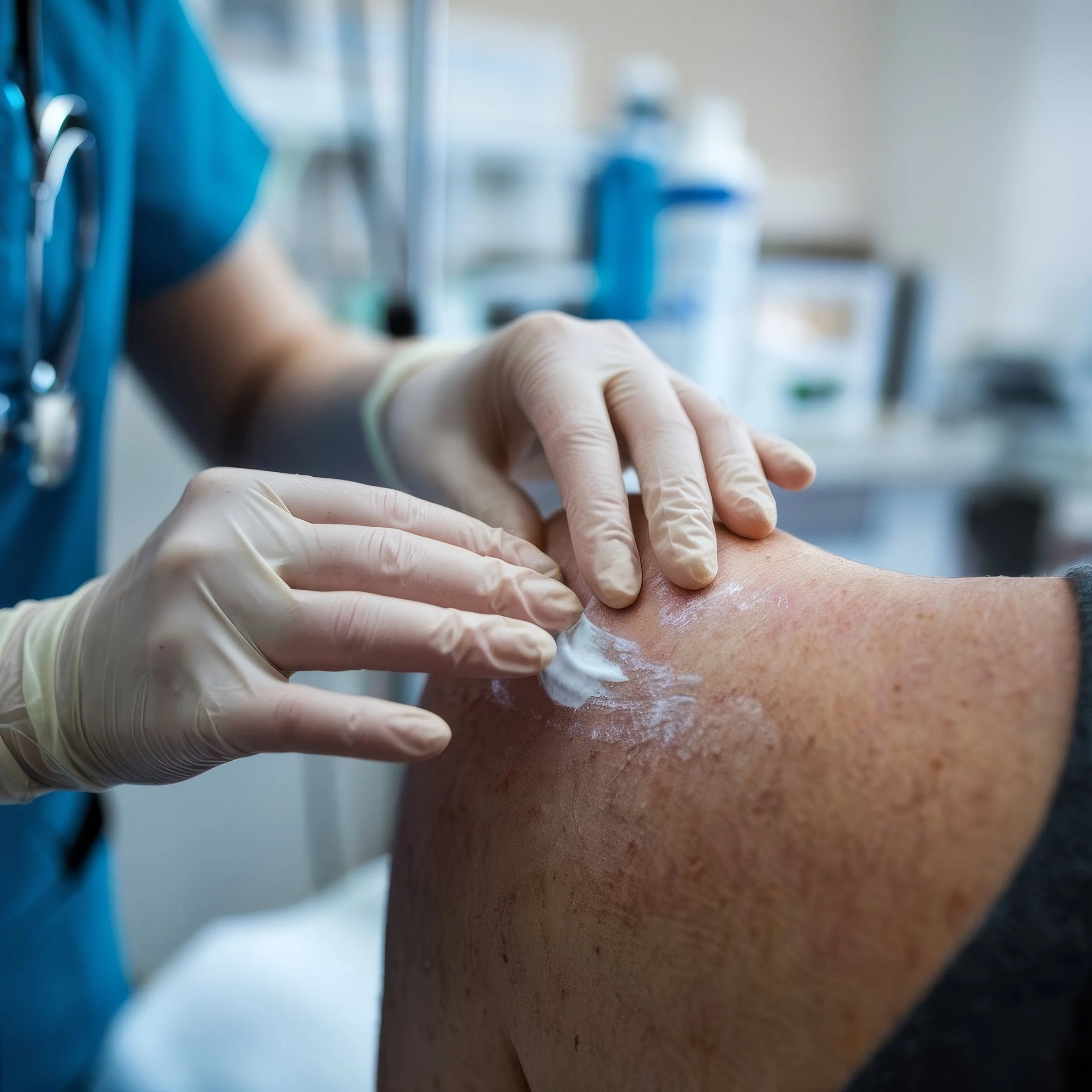
Participants can expect a structured, closely monitored process from start to finish. After a screening visit confirms eligibility, participants may begin receiving the investigational treatment based on the study design. Regular clinic visits follow for skin exams, lab work, and general health checks. Throughout the trial, participants report any symptom changes and describe how they're responding to treatment.
A dedicated research team monitors safety at every step. Taking part in one of these chronic cutaneous lupus erythematosus clinical trials means contributing directly to research that could shape future treatment options for CCLE.
Frequently Asked
Questions
-
Adults 18 and older who have been diagnosed with cutaneous lupus erythematosus may qualify. Final eligibility is confirmed during the screening process.
-
Participants attend scheduled visits for exams, lab tests, and symptom check-ins while researchers monitor their response to the study drug throughout the trial period.
-
Participants may gain access to an investigational treatment for cutaneous lupus along with close medical monitoring, at no cost, while helping advance research for future patients.