

Cutaneous Lupus Erythematosus Clinical Trials
Understanding Cutaneous Lupus Erythematosus with Awareness and Emerging Care
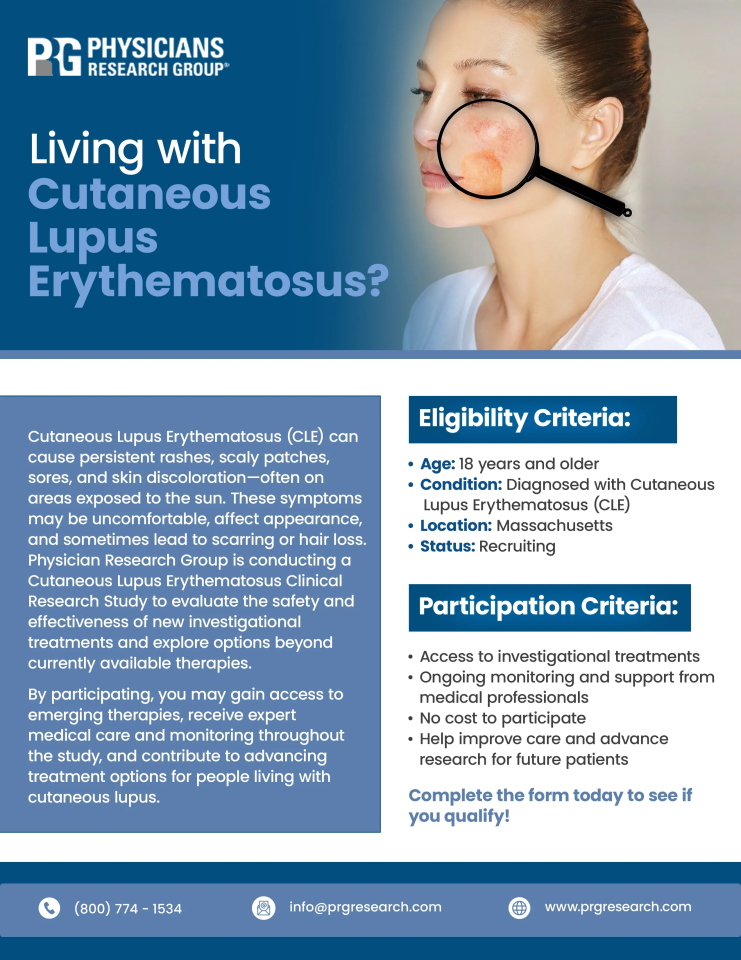
Cutaneous Lupus Erythematosus (CLE): an autoimmune skin condition in which the immune system mistakenly attacks the healthy skin. This leads to inflammation that can cause rashes, sores, and changes in skin colour or texture. CLE mainly affects the skin and is different from systemic lupus, which can involve internal organs. CLE most often appears on areas such as the face, ears, scalp, neck, and arms. Rashes may look red, scaly, or ring-shaped, and some forms can leave scars or permanent discoloration. Sunlight is one of the most common triggers, and even brief exposure can cause flares in some people.
Living with CLE can be challenging both physically and emotionally. Visible skin changes may affect self-confidence, while symptoms such as itching, burning, or tenderness can interfere with daily comfort. Because CLE can sometimes be linked with systemic lupus, regular medical follow-up is important.

Participate Today!
Dermatology
Exploring New care Options for Cutaneous Lupus Erythematosus
If you have Cutaneous Lupus Erythematosus (CLE), you may have the opportunity to take part in a cutaneous lupus clinical trials through Physician Research Group. These clinical trials are exploring potential new treatments designed to help manage lupus-related skin symptoms while closely monitoring safety and effectiveness of the drug. If you are living with cutaneous lupus and would like to learn more about cutaneous lupus treatment option, we encourage you to fill out the study interest form. A member of our research staff will reach out to speak with you, answer questions, and review whether a study might be a good fit for your situation.
Participants who qualify and decide to join will receive a schedule outlining study visits, timelines, and what participation involves. Taking part in a clinical trial is entirely voluntary, and you may choose to leave the study at any point.
Age
18 years and older
Location:
Massachusetts
Status:
Recruiting
Condition
Cutaneous Lupus Erythematosus
What You Can Expect from a Cutaneous Lupus Erythematosus (CLE) Clinical Research Study
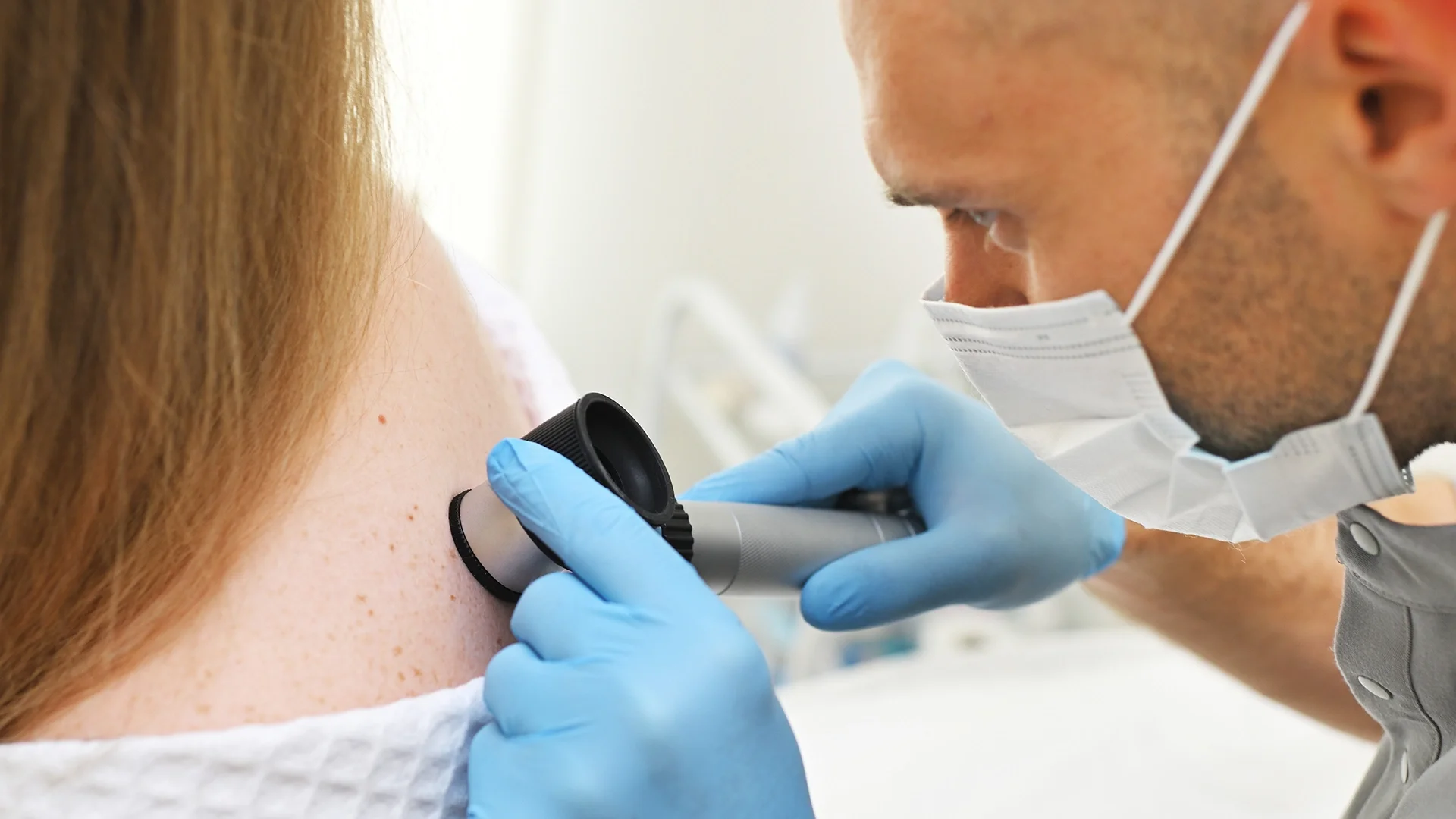
Living with Cutaneous Lupus Erythematosus can be frustrating and unpredictable. It can impact not just your comfort, but also your confidence and daily routine. If you are managing CLE and looking for investigational treatment for cutaneous lupus, a clinical research study may be something to consider. If you choose to participate in skin lupus clinical trials, you will be cared for by experienced doctors and research professionals who will closely monitor your skin health and overall condition throughout the study. All study-related visits, evaluations, and investigational treatments are provided at no cost.
If you appear eligible, you may be invited for a screening visit at a nearby research centre. During this appointment, the team will explain the study in clear, understandable language. You’ll review and sign an Informed Consent Form before any medical evaluations take place. Taking part in research is always your choice. You are free to leave the study at any time, for any reason. No insurance is required to participate.
Frequently Asked
Questions
-
CLE can appear as red, scaly patches, ring-shaped rashes, or thickened areas of skin. Some types may leave scars or permanent color changes. When it affects the scalp, it can sometimes cause hair loss.
-
Doctors usually diagnose CLE through a skin exam, medical history, and sometimes a skin biopsy or blood tests to check for autoimmune activity.
-
There is currently no cure, but treatments can help control symptoms, reduce flare-ups, and prevent scarring. Many people manage their condition well with ongoing research.