

Rotator Cuff Tears Clinical Trials
Understanding Rotator Cuff Tears
The rotator cuff is a group of muscles and tendons that helps keep the shoulder stable and supports arm movement. When one or more of these tendons is damaged or torn, it can cause pain, weakness, and limited movement. A tear may happen suddenly after an injury or develop gradually as the tendons weaken over time. As a result, everyday activities such as reaching overhead, getting dressed, or lifting objects may become difficult or uncomfortable. Depending on the severity, treatment may include physical therapy, medications, injections, or surgery.
Because rotator cuff tears can affect people differently, researchers continue to study potential treatment approaches. Rotator cuff injury clinical trials are helping researchers learn more about these conditions and evaluate treatments that may support future care.
Enroll Now!
Rotator Cuff Tears
Innovative Rotator Cuff Tears Clinical Trials for Better Shoulder Recovery
This observational clinical study follows people who have had rotator cuff repair using the Integrity bio-inductive implant. The main goal is to learn how safely and effectively the implant supports the treatment of partial- and full-thickness rotator cuff tears. Researchers will follow participants’ recovery, looking at tendon healing, shoulder function, pain, and daily activities. MRI scans and other information collected during follow-up visits will help researchers understand how the shoulder is healing and how well the implant is working.
Taking part gives eligible participants an opportunity to have their recovery monitored while contributing to clinical trials for rotator cuff tears. The information gathered may also help researchers better understand recovery after rotator cuff repair.
Age
All ages
Location:
Arizona
Status:
Recruiting
Condition
Partial- and full-thickness rotator cuff tears
What to Expect During the Rotator Cuff Injury Clinical Trials
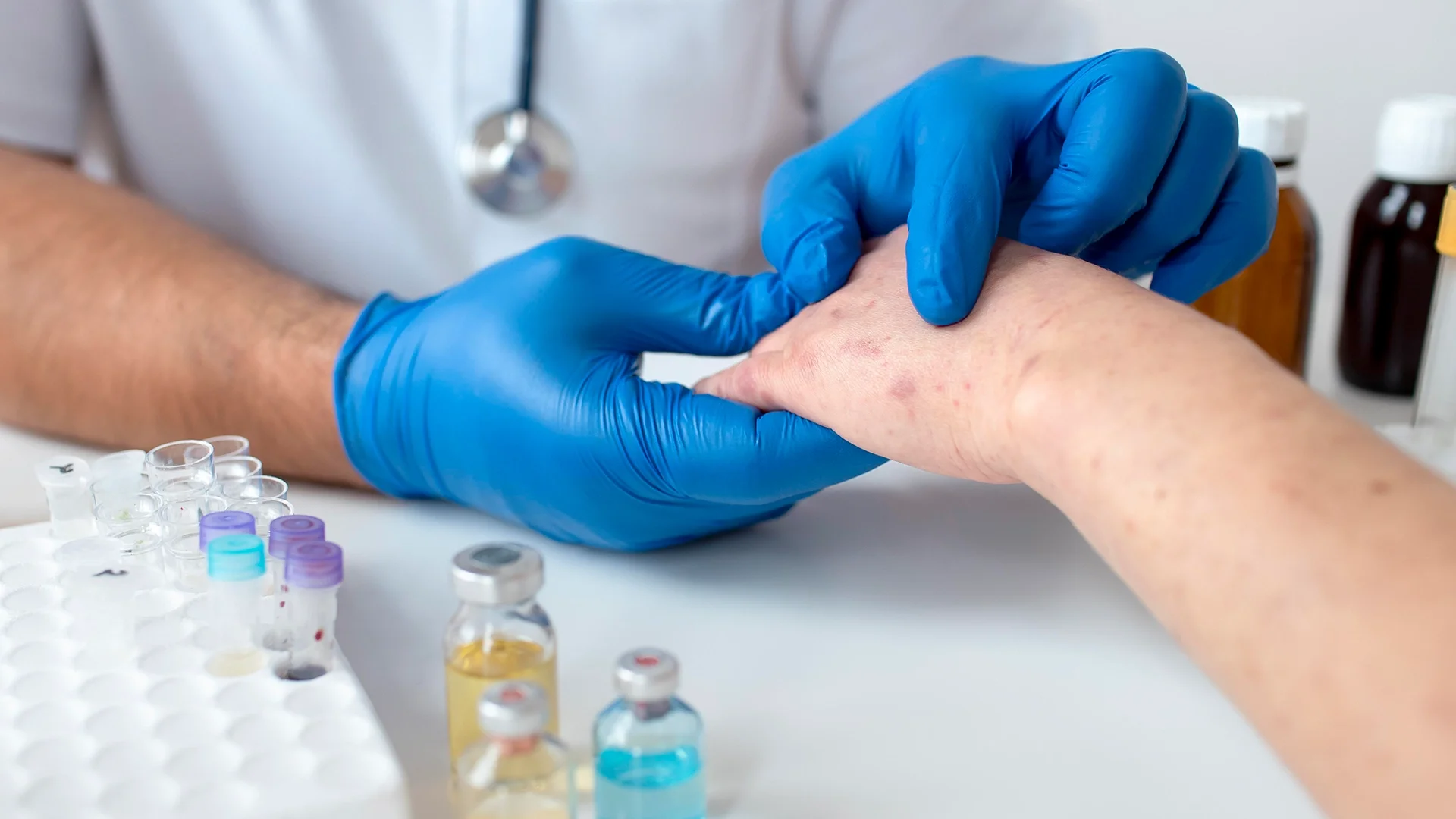
When you join a rotator cuff tear clinical trial in Arizona, you can expect a structured process that begins with a screening visit. During the visit, the research team reviews your health information and confirms whether you meet the study requirements. Participants are then requested to attend scheduled follow-up visits and complete any required assessments or questionnaires. The research team also asks about their recovery, daily activities, and any changes they may notice.
As an observational study, there is no new treatment assigned as part of the research. Instead, the information shared during the study helps researchers better understand recovery after rotator cuff repair and may support future research into shoulder care.
Frequently Asked
Questions
-
People who have had rotator cuff repair using the study implant and meet the study requirements may qualify for the rotator cuff tears clinical trials.
-
Participants attend follow-up visits, complete required assessments, and share information about recovery. Those looking to join a rotator cuff tear clinical trial in Arizona can learn more about the study requirements.
-
Taking part in rotator cuff tear clinical trials can help researchers learn more about rotator cuff recovery and support future research. Those searching for a rotator cuff tear research study near me can contact the research team to learn more.