
Psoriasis Self-Care: Daily Tips for Healthier Skin
Key Takeaways
Moisturize regularly to reduce dryness and support the skin barrier.
Use lukewarm water and gentle, fragrance-free products when bathing.
Avoid scratching and protect affected skin from cuts, burns, and irritation.
Learn your personal triggers by tracking changes in symptoms and daily habits.
Follow prescribed psoriasis treatments consistently and discuss concerns with your healthcare team.
Protect your skin from excessive sun exposure and avoid sunburn.
Quitting smoking and limiting alcohol can support overall health.
Focus on a balanced diet to support your overall health.
Pay attention to your emotional well-being and seek support when psoriasis affects your mood or daily life.
Quick Answer: Psoriasis is a chronic skin condition that can cause itchy, scaly, and irritated patches. Daily psoriasis self-care may support skin comfort and complement your prescribed treatment plan. Helpful habits include moisturizing regularly, bathing with lukewarm water, avoiding scratching, and choosing gentle skincare products. Protecting the skin from injury, recognizing personal triggers, and maintaining healthy lifestyle habits may also support symptom management. If symptoms become difficult to manage, discuss changes with your healthcare professional.
Psoriasis is a chronic skin condition that can cause itchy, scaly patches and periods of flare-ups. While there is no cure, daily self-care can support skin comfort and help you manage symptoms. Simple habits can also reduce irritation and support healthier skin.
What Is Psoriasis?
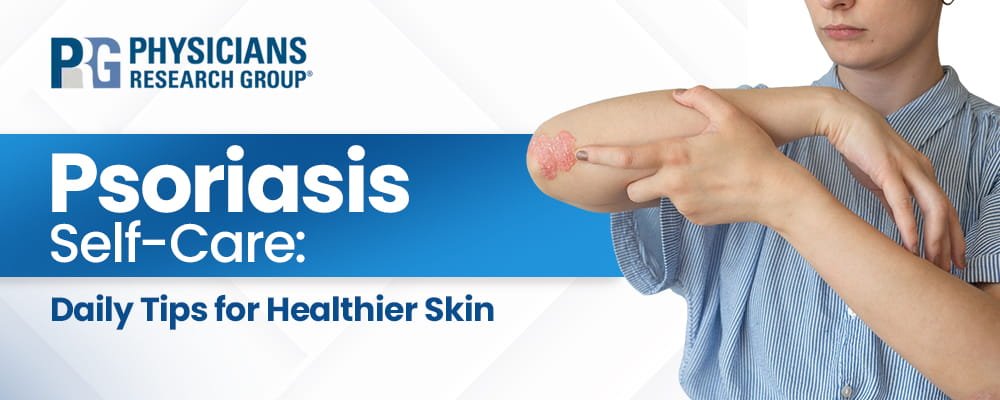
Psoriasis is a common, long-term skin disease that causes itchy, scaly patches. These patches most often appear on the knees, elbows, trunk, and scalp. Symptoms can include dryness, itching, irritation, and painful skin.
Psoriasis often follows cycles, with symptoms worsening during flare-ups and then improving for a period. Common triggers may include infections, cuts or burns, and certain medications. Treatments can help manage symptoms, while lifestyle habits may support day-to-day well-being.
Daily Psoriasis Self-Care Tips
Living with psoriasis often involves more than managing flare-ups when they appear. Consistent daily habits can support skin comfort, reduce irritation, and make symptoms easier to manage. Your doctor can recommend treatments based on your symptoms, but these self-care measures may complement your overall care plan.
Keep Your Skin Moisturized:
Dry skin can make psoriasis-related itching, scaling, and irritation feel worse. Regular moisturizing helps keep the skin hydrated and may reduce discomfort caused by dryness.
Apply a thick, fragrance-free cream or ointment soon after bathing. Gently pat your skin dry instead of rubbing it with a towel. Applying moisturizer while your skin is still slightly damp can help retain moisture.
You may need to adjust how much moisturizer you use based on the weather. Heavy products may feel uncomfortable during hot, humid weather, particularly when you are sweating. Choose a product that keeps your skin comfortable without causing additional irritation.
Also Read: What Does Facial Psoriasis Look Like? How to Identify the Signs
Consider Petroleum Jelly for Dry, Scaly Areas:
Petroleum jelly can act as an occlusive moisturizer by creating a protective layer over the skin. This can help reduce moisture loss and soften areas that feel particularly dry or cracked.
You can apply a thin layer over moisturized skin to help seal in hydration. Some people may find this especially useful on very dry areas. However, it may feel greasy, so you can adjust the amount based on your comfort and the area being treated.
If you use prescription creams or ointments, follow your healthcare professional’s instructions about when and how to apply them.
Bathe With Care:
Bathing can be soothing, but very hot water may dry out the skin and worsen irritation. Keep showers and baths short and use lukewarm water instead of very hot water.
Choose gentle, fragrance-free cleansers and avoid vigorous scrubbing. Pat your skin dry with a soft towel rather than rubbing it.
Bathing too frequently may also remove natural oils from your skin. If frequent showers or baths leave your skin feeling tight or dry, consider whether you can reduce their frequency. Your needs may also change with the season.
Follow Your Treatment Plan:
Psoriasis self-care works best alongside an appropriate psoriasis treatment plan. If your doctor has prescribed creams, ointments, or other treatments, use them according to the recommended instructions.
Consistency can be important because psoriasis symptoms may fluctuate over time. If a treatment becomes difficult to use or does not seem to be working as expected, speak with your healthcare professional rather than stopping it on your own.
Your treatment needs can change as your symptoms change. Regular communication with your healthcare team can help you address these changes appropriately.
Ready to Explore New Options for Plaque Psoriasis?
Clinical research may offer access to investigational treatments while helping advance psoriasis care.
Learn and Avoid Your Triggers:
Psoriasis triggers are not the same for everyone. Learning what tends to worsen your symptoms can help you make practical changes to your daily routine.
Potential triggers may include infections, skin injuries, extreme weather, smoking, heavy alcohol use, and certain medications. Stress may also contribute to flare-ups for some people.
Consider keeping a simple record of when your symptoms become worse. Note changes in your health, environment, routine, or skincare habits. Over time, these observations may help you recognize patterns and discuss possible triggers with your healthcare professional.
Avoid Scratching:
Psoriasis can cause intense itching, but scratching can further irritate already sensitive skin. It may also cause breaks in the skin and increase the risk of injury.
Instead of scratching, try applying a cool compress to an itchy area for short periods. Keeping your nails trimmed can also reduce the chance of damaging your skin if you scratch without thinking.
If itching is persistent or interfering with sleep, speak with your healthcare professional. They can recommend appropriate ways to manage the symptoms based on your condition and treatment plan.
Protect Your Skin From Injury:
Cuts, scrapes, burns, and other skin injuries may trigger psoriasis patches in some people. This makes protecting your skin an important part of daily self-care.
Take care when shaving, exercising, gardening, or doing activities where your skin could be scraped or irritated. Treat minor injuries promptly and keep damaged skin clean while it heals.
Sunburn can also irritate the skin and may worsen psoriasis. If you spend time outdoors, use appropriate sun protection and avoid prolonged sun exposure.
Choose Gentle Skin and Hair Products:
Products that contain strong fragrances or other irritating ingredients may make sensitive skin feel worse. Choose gentle products formulated for sensitive skin when possible.
This applies to more than moisturizers. Consider your soaps, body washes, shampoos, conditioners, and other products that come into contact with your skin.
Pay attention to how your skin responds after using a new product. Burning, stinging, increased redness, or irritation may indicate that the product is not suitable for you. Discontinue products that consistently cause irritation and discuss persistent reactions with your healthcare professional.
Protect Your Skin in the Sun:
Some people with psoriasis may find that controlled exposure to sunlight improves their skin symptoms. However, too much ultraviolet exposure can cause sunburn and skin damage.
If you are considering sunlight as part of managing your psoriasis, speak with your healthcare professional first. This is particularly important if you take medications that can increase sensitivity to sunlight.
Use sunscreen on unaffected areas and protect your skin from excessive sun exposure. Never rely on sunburn as a way to manage psoriasis symptoms.
Stop Smoking:
Smoking can affect overall health and may also be associated with more severe psoriasis. If you smoke, quitting can be an important step toward supporting your general health and managing potential psoriasis-related risks.
Quitting can be difficult, particularly if smoking has been part of your routine for a long time. Speak with a healthcare professional about available support and strategies that may make quitting more manageable.
Limit Alcohol:
Drinking alcohol, especially in large amounts, is linked to more severe psoriasis and more frequent flare-ups. Cutting back may help your skin, and it supports your overall health too.
Alcohol may also interact with certain medications or affect how safely they can be used. If you take prescription treatment for psoriasis, ask your healthcare professional whether alcohol could affect your treatment.
Maintain a Balanced Diet:
There is no single diet proven to prevent or cure psoriasis. However, maintaining a balanced eating pattern can support your overall health.
Focus on a variety of nutritious foods, including vegetables, fruits, whole grains, lean protein sources, and healthy fats. If you notice that particular foods seem to coincide with symptom changes, keep track of those observations.
Avoid making major dietary restrictions without discussing them with a healthcare professional. A balanced approach is generally more practical than eliminating multiple foods without a clear reason.
Take Care of Your Mental Health:
Psoriasis can affect more than your skin. Visible symptoms, itching, discomfort, and recurring flare-ups may affect confidence, mood, sleep, and daily activities.
Make time for activities that help you relax and stay connected with people you trust. Exercise, adequate sleep, relaxation techniques, and social support may also support emotional wellbeing.
If psoriasis is affecting your mood or self-esteem, consider speaking with a mental health professional. Support groups can also provide an opportunity to connect with people who understand the challenges of living with a chronic skin condition.
Most importantly, do not feel that you need to manage the emotional effects of psoriasis alone. Seeking support is a valid part of caring for your overall well-being.
Psoriasis Treatment and Self-Care
Psoriasis self-care can complement your psoriasis treatment plan, but it should not replace medical care. Your healthcare professional may recommend treatments based on your symptoms, affected areas, and overall health.
If you have been prescribed topical treatments, such as creams or ointments, use them exactly as directed. Follow the recommended amount, frequency, and application instructions. Avoid stopping treatment suddenly unless your healthcare professional advises you to do so.
Daily habits such as moisturizing, using gentle skincare products, and avoiding known triggers can support your skin alongside treatment. If your symptoms change or your treatment becomes difficult to follow, discuss your concerns with your healthcare professional.
Research Studies in Dermatology
Clinical trials in dermatology help researchers evaluate potential new treatments and better understand various skin conditions. Studies are currently being conducted for several chronic dermatological conditions, including plaque psoriasis. One plaque psoriasis clinical trial is currently recruiting adults in Arizona. The study is evaluating two study treatments for their safety and tolerability in adults aged 40 and older with moderate-to-severe plaque psoriasis. Participants receive study-related care, regular health assessments, and monitoring throughout the study.
There May Be Another Option to Consider
If plaque psoriasis is affecting your daily life, you may qualify for a clinical research study.
Conclusion
Living with psoriasis requires consistent care and attention to your skin and overall well-being. Moisturizing, protecting your skin, recognizing triggers, and maintaining healthy habits can support daily symptom management. Follow your prescribed treatment plan and discuss persistent or worsening symptoms with your healthcare professional for appropriate guidance and care.
Disclaimer: This content is for educational purposes only and is not intended to replace professional medical advice, diagnosis, or treatment. Always consult your healthcare professional for personalized guidance regarding your symptoms and treatment options.